Strategy for STEMI. And while the clock is always ticking when it comes to STEMI cases providers also recognize the importance of a complete diagnostic angiography of.

Applying Wcacg Modified Process Is Beneficial On Reduced Door To Balloon Time Of Acute Stemi Patients Abstract Europe Pmc
Only 293 of patients underwent PCI 120 minutes.

Door to balloon time for stemi. These strategies included having emergency medicine physicians activate the catheterization laboratory mean reduction in door-to-balloon time 82 minutes having a single call to a central page. In the situation where patients do not present to a facility capable of 247 percutaneous coronary interventions PCI delays in time to therapy can exceed the recommendation of 90 min or less. Based on a survey this 20 minute window reduces door-to-balloon time by a little more than 19 minutes.
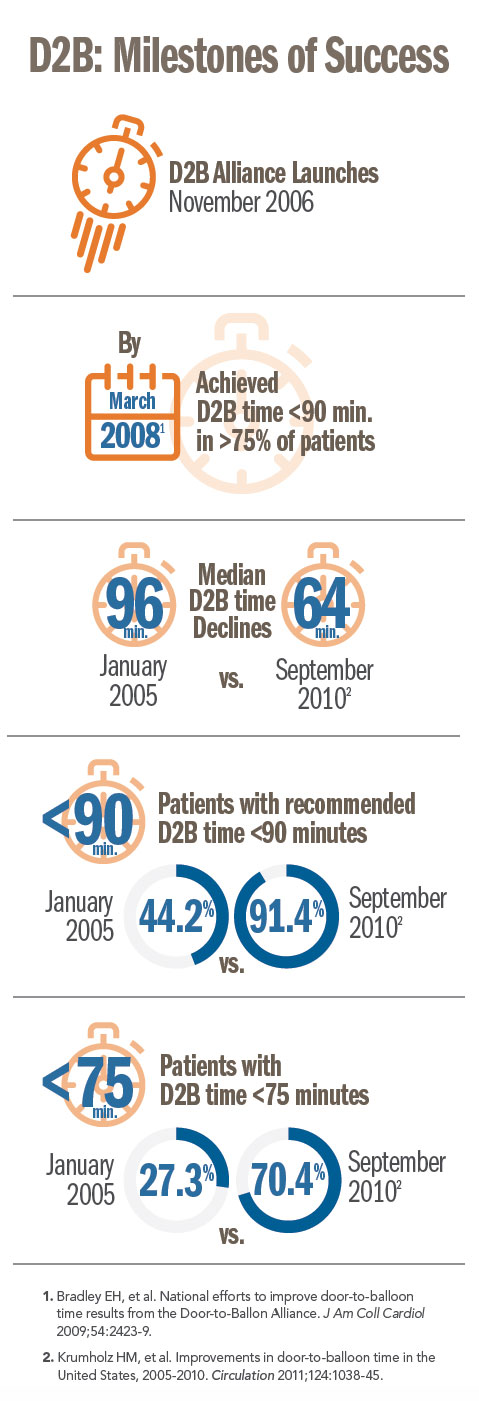
Door-to-balloon time is a phrase that denotes the time between the arrival of a patient with STEMI in the emergency room until the time that a balloon is inflated in the occluded culprit coronary artery. Krumholz HM et al. Bradley EH et al.
Thus the 90-minute standard seems an ambitious. More controversy has been gen-erated by several studies suggest-ing that recent additional reduc-. Door-to-balloon time has been the focus of intense efforts to improve STEMI outcomes for the past two decades via local and national quality initiatives.
Background In patients with STsegmentelevation myocardial infarction timely reperfusion therapy with doortoballoon D2B time. Unfortunately in the same analysis of NRMI data that highlighted the importance of door-to-balloon time for survival the overall median door-to-balloon time was 116 minutes. 47 reduction in door-to-balloon time The Situation Prompt access to medical treatment is essential for patients who suffer from strokes specifically people who suffer from ST-Elevation Myocardial Infarction STEMI stroke as they are at a relatively high risk of death.
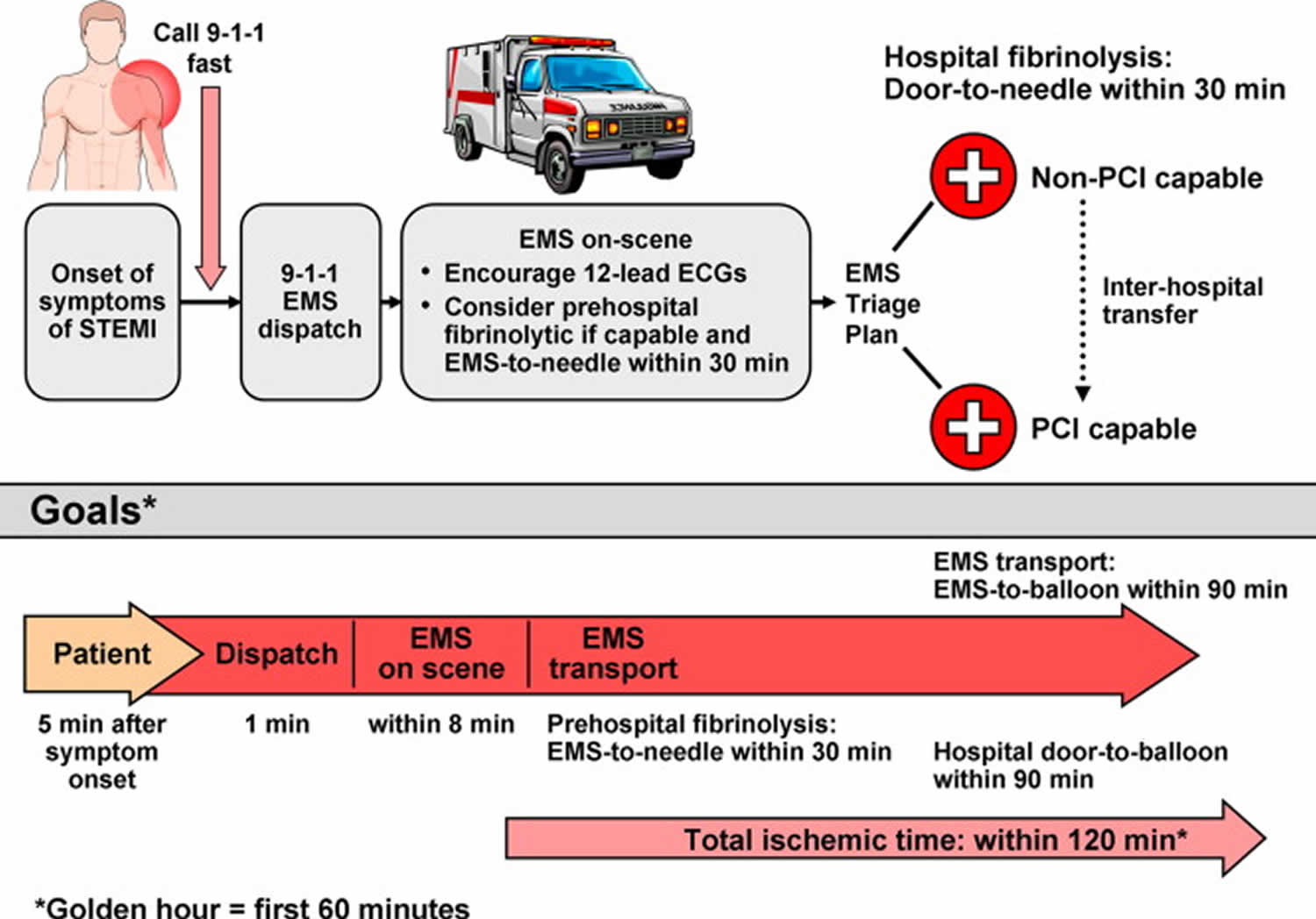
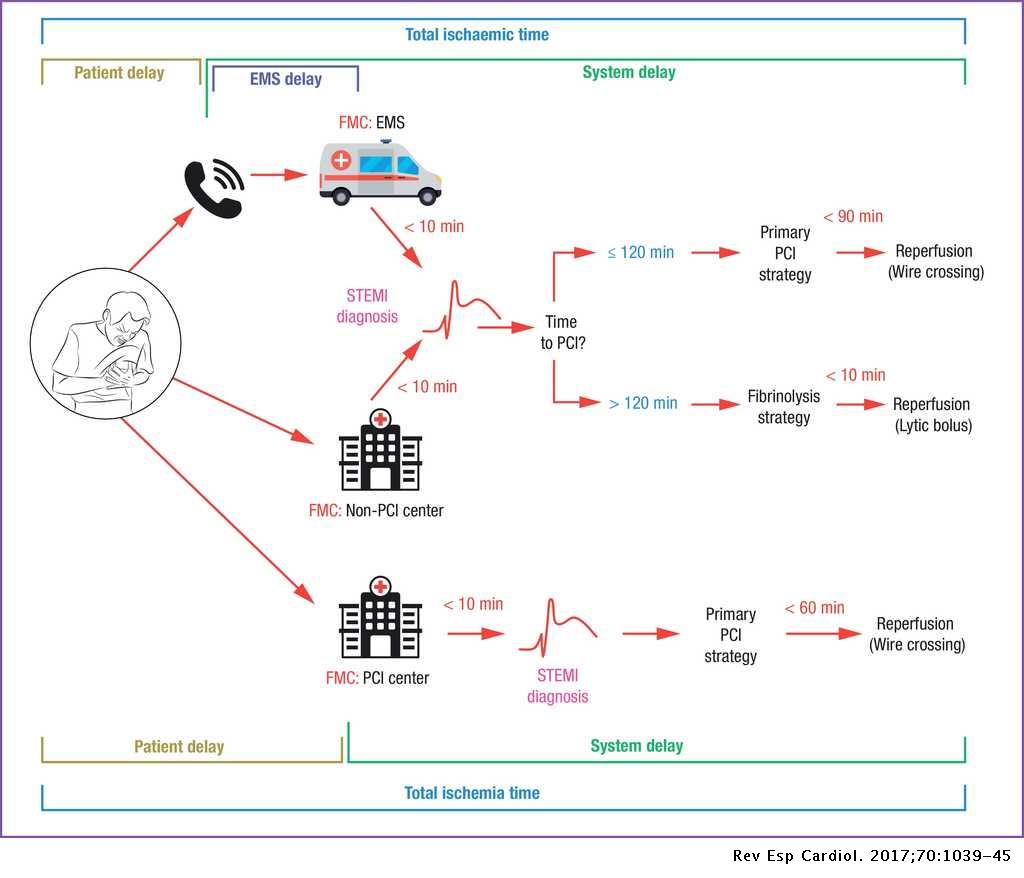
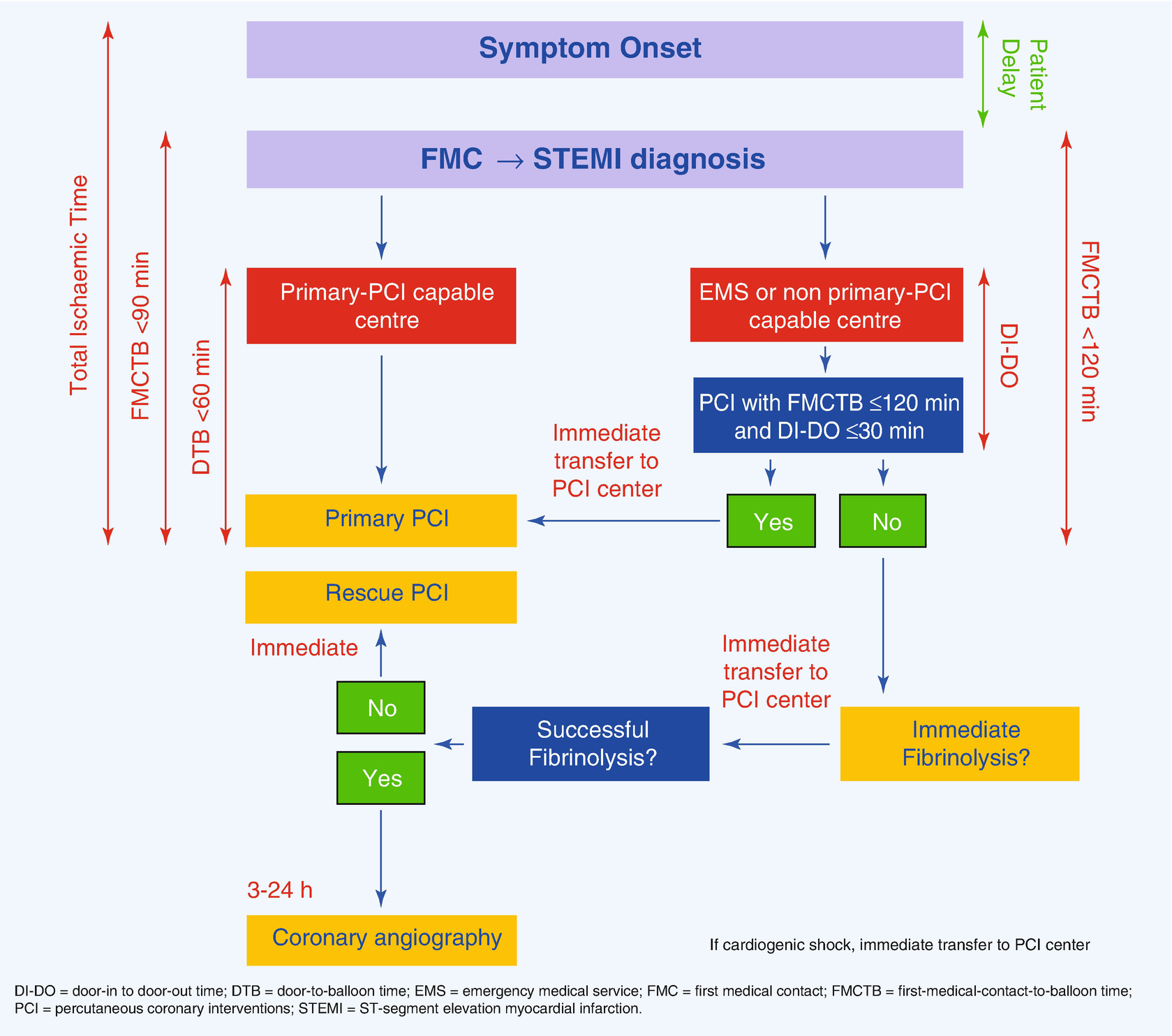
J Am Coll Cardiol 2009542423-9. In a center capable of primary PCI the aim is to achieve a door to balloon time of less than 90 minutes. The medical treatment for stroke STEMI and trauma are generally delayed due to the communication gap between the paramedics and doctors during the door-to-needle time.
Fully 21 of COVID-19 patients with STEMI did not undergo angiography compared with 5 of the PUI and none of the matched cohort. Care teams can also reduce STEMI code alert errors through the use of incident-specific pre-defined notification procedures. The earlier the infarct related artery is opened the better as more myocardium is salvaged.
More recently the concept of medical contact-to-balloon time has been. Guidelines recommend that the interval between occurrence of the stroke and intracoronary balloon inflation door-to-balloon D2B time should be 90 minutes or less. Improvements in door-to-balloon time in the United States 2005-2010.
And if the patient is being transferred from a non-PCI capable center then it should be accomplished in 120 minutes. STEMI needs early reperfusion and hence special strategies to minimise the first medical contact FMC to reperfusion time. By starting at the point of discovery hospital staff can use the transport time to prepare for the patients arrival significantly reducing door-to-balloon times.
Primary percutaneous coronary intervention PPCI is the gold standard for these patients with a recommended door-to-balloon time DTBT of less than 90 minutes. 7 Automatic STEMI code alerts activate care teams fast improving clinician coordination and productivity. Median door-to-balloon times were similar at 80 78 and 86 minutes respectively.
The 90-minute window continues to serve as an important standard for healthcare providers. Brady estimates Charlottesvilles STEMI Alert System reduces time to therapy by 30 to 45 minutes at the University of Virginia. Primary PCI rates across the three groups were 71 80 and 81.
Key performance indices such as door-to-balloon times have long been recognized as quality metrics in reducing time to care for patients with acute coronary syndromes ACS. National efforts to improve door-to-balloon time results from the Door-to-Ballon Alliance. Current ACCAmerican Heart Association guidelines suggest that when a STEMI patient is directly being transferred to a PCI-capable center then first medical contact to the deployment of the device in the procedure should be accomplished in 90 minutes.
The Centers for Medicare Medicaid Services publicly reports it as a hospital performance measure. Door-to-balloon time for transfer patients has been increased from 90 minutes to 120 minutes to en-courage more transfers for pri-mary PCI2 Setting the door-to-balloon goal at 90 or 120 minutes has sparked controversy for a decade.
Prognostic Implications Of Door To Balloon Time And Onset To Door Time On Mortality In Patients With St Segment Elevation Myocardial Infarction Treated With Primary Percutaneous Coronary Intervention Journal Of The American Heart Association

Subject Selection Dtb Door To Balloon Jcd Kics Japan Cardiovascular Download Scientific Diagram
Stemi Door To Balloon Time
Door To Balloon 10 Years Later Successful Model Sets The Stage For The Next Generation Of Acc S Qi Programs American College Of Cardiology

First Hurdle For Optimal Treatment Of Acute Myocardial Infarction Journal Of Cardiology

Comparison Of Percentage Of Door To Balloon Times Within 60 Or 90 Min Download Scientific Diagram
Comments On The 2017 Esc Guidelines For The Management Of Acute Myocardial Infarction In Patients Presenting With St Segment Elevation Revista Espanola De Cardiologia

Door To Balloon Time In The Treatment Of St Segment Elevation Myocardial Infarction In A Tertiary Care Center In Saudi Arabia Annals Of Saudi Medicine

Frequencies Of Door To Balloon Time Intervals As Demonstrated By Download Scientific Diagram
Plos One The Tradeoff Between Travel Time From Home To Hospital And Door To Balloon Time In Determining Mortality Among Stemi Patients Undergoing Pci

Door To Balloon Time In Patients Presenting With Acute St Elevation Myocardial Infarction And Time Factors Influencing It An Observational Study From A Tertiary Care Teaching Hospital In India Sciencedirect
Primary Percutaneous Coronary Intervention For St Elevation Myocardial Infarction Springerlink

Stemi India Reperfusion Model Download Scientific Diagram

Impact Of Door To Activation Time On Door To Balloon Time In Primary Percutaneous Coronary Intervention For St Segment Elevation Myocardial Infarctions Circulation Cardiovascular Quality And Outcomes

The First Door To Balloon Time Delay In Stemi Patients Undergoing Interhospital Transfer Sciencedirect

Recommendation To Develop Strategies To Increase The Number Of St Segment Elevation Myocardial Infarction Patients With Timely Access To Primary Percutaneous Coronary Intervention Circulation

Time To Treatment Is Critical In Stemi Download Scientific Diagram

Achieving Rapid Door To Balloon Time Across The Entire Spectrum Of Download Scientific Diagram
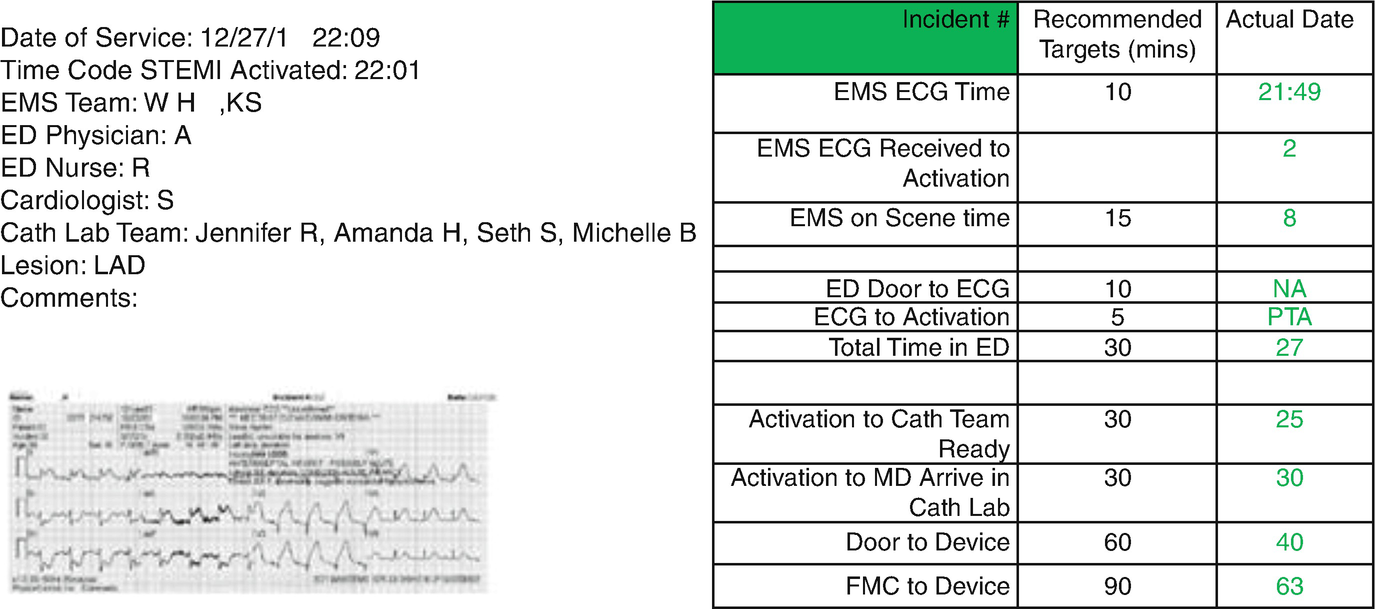
Time To Reperfusion Door To Balloon Times And How To Reduce Them Springerlink

